
How to Protect Your Small Business from Cyberattacks – Insights from Local Experts
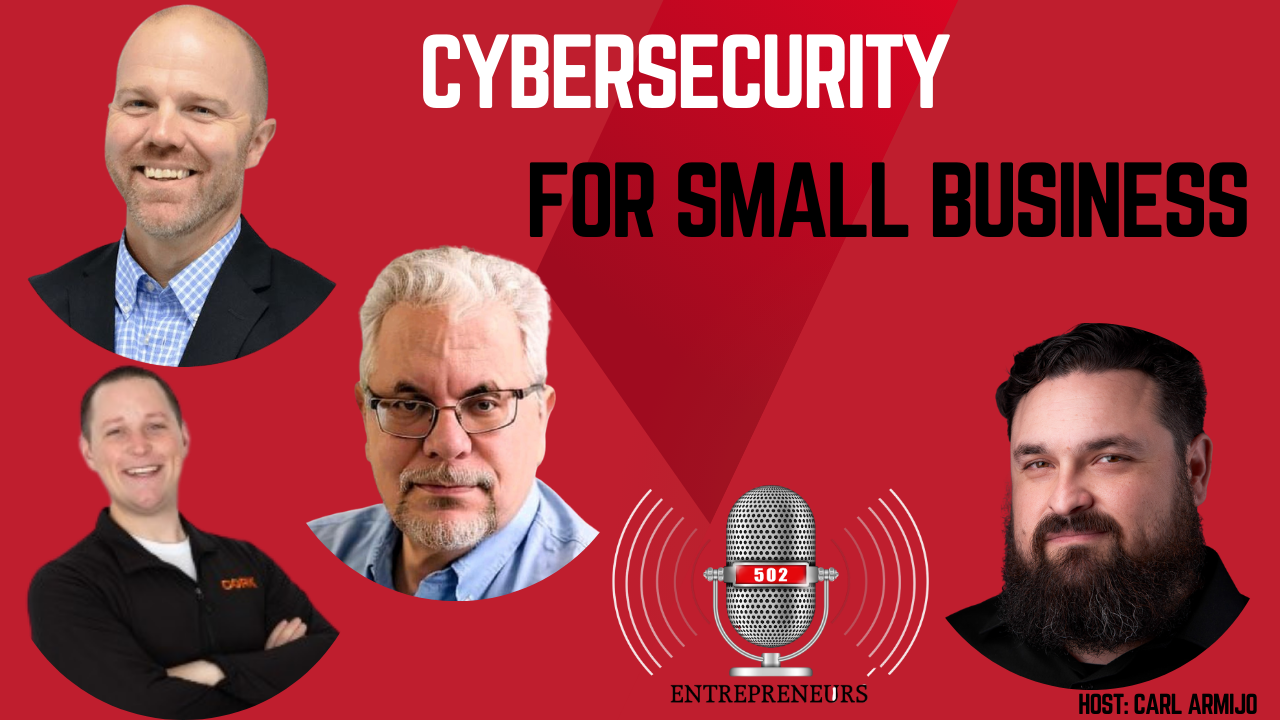
Cybersecurity isn’t just a concern for big corporations anymore. Small businesses are increasingly targeted by cybercriminals — and many are unprepared for the financial fallout.
In a recent episode of 502 Entrepreneurs, host Carl Armijo brought together a powerhouse panel of local experts to break down the risks and solutions for everyday business owners. Featuring Paul Cox from TeamLogic IT, Andy Runyan of Ukon, and Nick Wolf from Cork, this discussion offered timely, practical advice for staying ahead of threats.
Cyber Threats Are Closer Than You Think
As Carl shared, many business owners still see cyber insurance and security as optional. But as Paul, Andy, and Nick emphasized, that mindset can cost you. “It’s not if, it’s when,” Nick explained, pointing to rising incidents of wire fraud, phishing, and AI-powered attacks.
Andy added, “We’ve seen claims denied simply because companies didn’t follow through on basic security steps like enabling MFA.” MFA — or multi-factor authentication — was repeatedly cited as the single most important first step for business security.
Warranties vs. Insurance: What's the Difference?
Nick likened Cork’s cyber warranty to “the Aflac of cybersecurity” — offering fast, supplemental financial coverage while you wait for your traditional cyber insurance to kick in. These warranties can cover gaps like high deductibles and immediate expenses like incident response costs.
Andy cautioned that not all cyber insurance policies are created equal. “Some are just cheap rider policies that don’t cover what you really need,” he noted. That’s where working with cyber-specific experts can make a big difference.
Planning for the Worst
One of the most valuable parts of the conversation came from the live cyber game Paul hosted. It revealed just how chaotic and uncertain a real cyber incident can be — especially when there’s no plan in place.
“An incident response plan should not live in your head,” Andy stressed. “It should be written, tested, and accessible offline.” The team also urged businesses to involve legal counsel and their MSP early in the planning process to avoid making costly mistakes during a breach.
Key Takeaways:
- Turn on MFA — it’s the easiest, most effective defense.
- Get cyber insurance AND a cyber warranty — they work best together.
- Create a real incident response plan — and test it.
- Train your employees — human error is still the top vulnerability.
This episode makes it clear: cybersecurity isn’t optional. If you run a business, big or small, it’s time to take action.
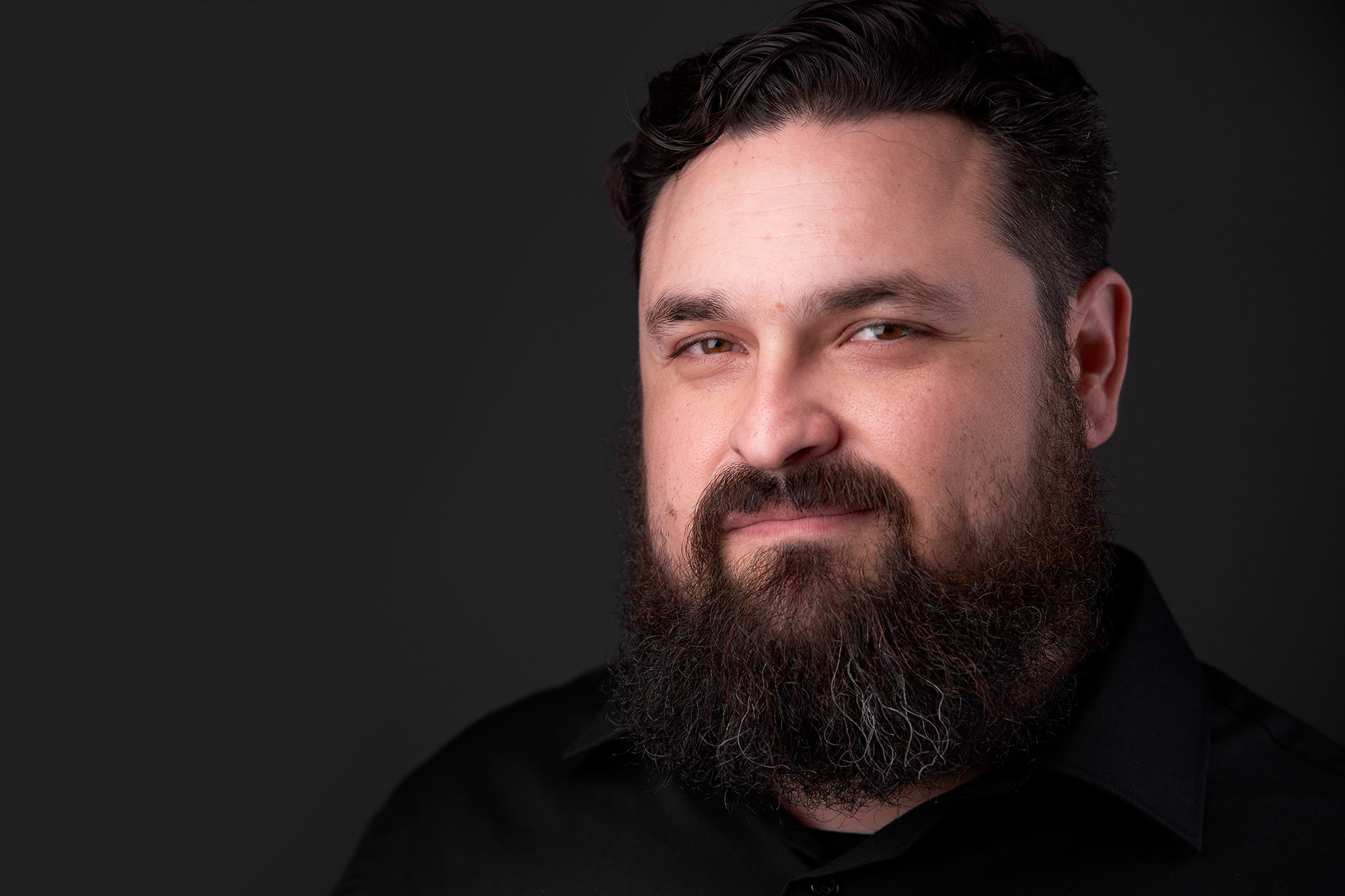
Podcast Host/Photographer/Business Owner
As the host of 502 Entrepreneurs, I bring real-world experience from building two service-based businesses from the ground up. I know what today’s customers expect — and what it takes to deliver. Whether I’m behind the camera in my real estate photography business or managing my cleaning company, my focus is always the same: make life easier for clients through clear communication, modern tools, and reliable, stress-free service.
On this show, I share honest, practical lessons about customer service, building trust, and using streamlined systems to simplify the client experience. I believe that great service isn’t just about finishing the job — it’s about setting clear expectations, communicating proactively, and standing behind your work long after the invoice is paid.
I’m passionate about helping fellow entrepreneurs — whether they’re just starting or scaling up — learn how to deliver quality work, simplify their processes, and create businesses that people rave about. Each episode is a chance to share real stories, useful tools, and the lessons I’m still learning every day while building my companies here in the 502.

Building Businesses with Purpose: Scott Hack on Real Estate, Coffee, and Community
